Decluttering Made Easy: Where to Store What You Don’t Need
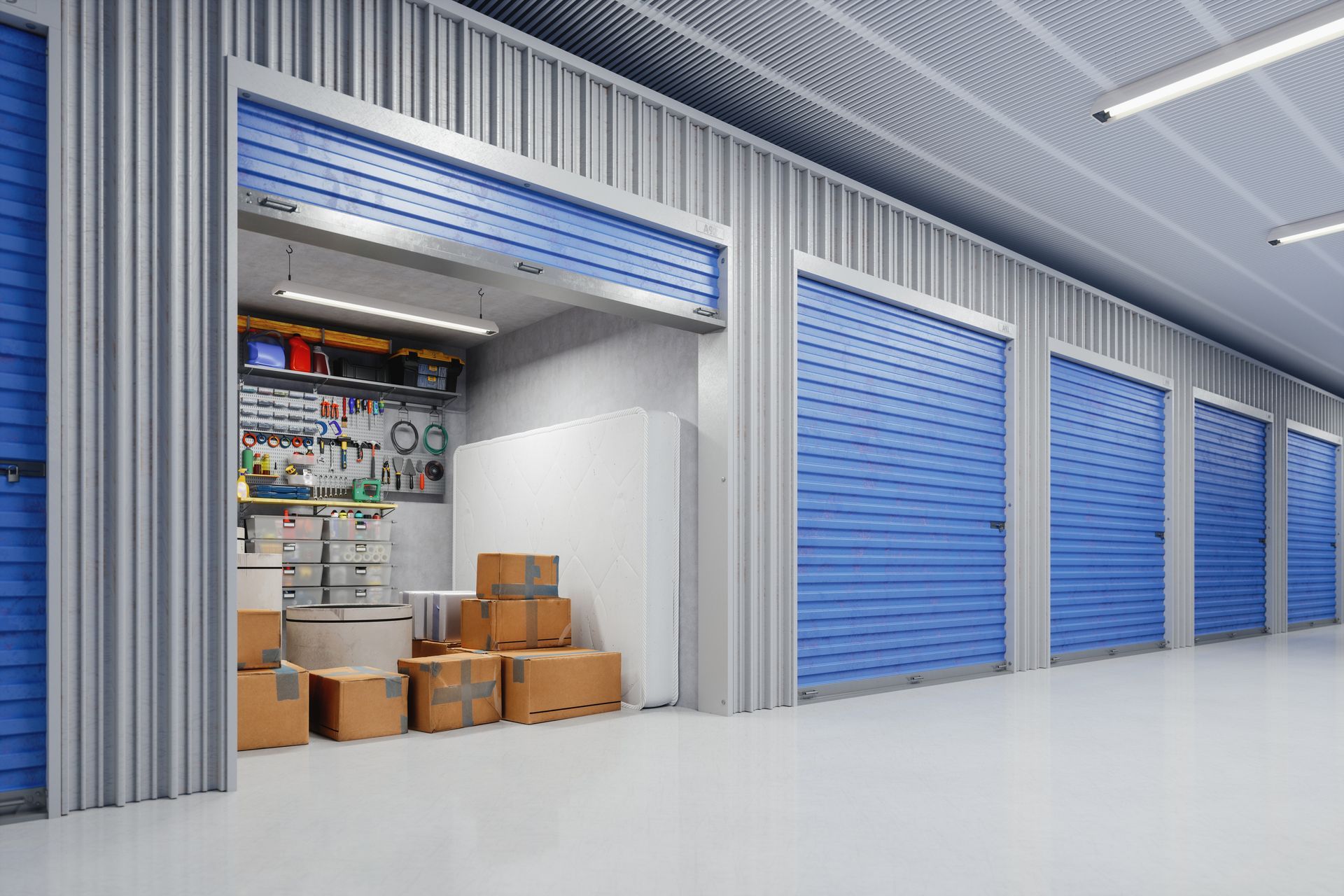
Clutter has a quiet way of piling up until one day it feels unmanageable and chaotic. Closets stop closing easily, garages lose their functionality, and spare rooms slowly turn into catch-all areas. Many people want a cleaner, more organized environment but struggle with managing items that aren’t needed daily. Decluttering is not about getting rid of everything; it is about making room for what is essential. When belongings are stored effectively, daily life feels balanced and manageable. Understanding where to store extra items is often the missing piece in a smart home setup.
At Flintlock Storage, we see decluttering as a practical and empowering step toward a more functional lifestyle. A reliable self-storage facility can offer a safe place for items you want to keep but don’t need every day. Items that are useful but not needed every day deserve a protective environment. Decluttering becomes easier when there is a clear plan for where those items will go. Instead of feeling overwhelmed by too many choices, storage offers flexibility and peace of mind. This approach allows people to enjoy their space without feeling disconnected from their belongings.
Understanding the Purpose of Decluttering
Decluttering is often misunderstood as simply removing items, but it is really about enhancing home organization. When rooms are filled with excess belongings, it becomes harder to focus, relax, or stay organized. A clutter-free environment supports efficiency and calm. Items that are rarely used still hold value, even if they do not belong in daily living areas. Recognizing this difference helps decluttering feel purposeful rather than random. The goal is functional order.
Effective decluttering starts with thoughtful decision-making. Instead of asking whether an item should be kept or discarded, it helps to ask where it belongs. Seasonal gear, keepsakes, and occasional-use items often need a safe off-site location. By relocating these belongings, rooms remain functional. This shift makes organization practical. Decluttering then becomes a repeatable process.
Separating Everyday Items from Occasional Use
Many homes contain items that are important but rarely used. These may include holiday items, spare furnishings, or collectibles. Keeping them in daily zones can create unnecessary congestion. Identifying which items fall into this category is an important step in decluttering. Once recognized, these belongings can be relocated to storage for organization. This separation improves both organization and accessibility.
It helps to think in terms of how often items are needed. Items used occasionally still deserve care and protection. Storing them properly ensures they remain well-maintained over time. This approach also prevents clutter from reappearing in high-traffic areas. With fewer obstacles in the home, daily upkeep is easier. The result is a space that feels balanced and usable.
Managing Seasonal Belongings
Seasonal click here belongings are some of the most common contributors to clutter. Decorations, clothing, and equipment often rotate throughout the year. When these items remain unused for months, they take up valuable space unnecessarily. Rotational storage allows these belongings to be kept safe off-site until needed. This system keeps living areas appropriate for daily use. It also reduces overcrowding.
Storing seasonal items separately creates a structured habit. Each transition becomes less stressful for off-season belongings. Items stay protected and easier to locate when the season changes again. This approach also minimizes the risk of loss or deterioration. Over time, seasonal rotation becomes a repeatable practice. The home remains ready for each season.
Creating Space During Life Transitions
Life changes often bring an increase in belongings before space is rebalanced. Moving, downsizing, expanding a household, or changing routines can all create temporary clutter. During these times, having a reliable storage option is especially helpful. Flintlock Storage supports individuals and families by providing space for items during these transitions. This allows time to make informed choices without feeling pressured. Decluttering becomes more stress-free.
Temporary storage during transitions helps maintain order and clarity. Instead of stacking items in unused rooms or hallways, belongings are kept in a secure environment. This approach protects items while preserving livable space. It also allows people to focus on life transitions instead of items. When life settles into a stable routine, stored items can be reintroduced intentionally. This process keeps organization adaptable.
Preserving Personal Keepsakes
Personal keepsakes often carry emotional value that makes decluttering difficult. Photos, heirlooms, and memorabilia deserve thoughtful storage. These items may not be used often, but they are important to maintain. Storing them properly keeps them safe and organized. This balance allows memories to be respected without cluttering living areas. Decluttering does not have to mean discarding treasured items.
Organized storage helps protect keepsakes from damage and disorganization. When these items are stored thoughtfully, they are easier to locate and enjoy. This approach also reduces the risk of loss or deterioration. Knowing that memories are safe and protected provides peace of mind. It allows living spaces to remain focused on current needs. The result is a home that feels both personal and practical.
Keeping Decluttering Effective
Decluttering is most effective when it is supported by regular management. Storage plays a key role in maintaining this balance long term. When items have secure off-site homes, clutter is easier to manage. Regular reviews of stored belongings help keep organization intentional. This habit encourages thoughtful organization and prevents mess. Organization becomes a sustainable habit.
A self-storage facility provides structure that supports long-term organization. Flintlock Storage offers a dependable environment for items not in daily use. This consistency makes it easier to maintain clear living spaces. When organization systems are reliable, they are easier to follow. Over time, this approach reduces stress and saves time. Decluttering then feels manageable and satisfying.
Making Rooms Functional Again
Clutter often occupies spaces meant for functional use. Spare rooms, garages, and closets frequently become storage by default. Moving excess items into storage helps restore these areas to their intended use. Rooms regain comfort and usability. This transformation enhances overall quality of life. Decluttering then becomes a way to support household efficiency.
Reclaimed space encourages easier maintenance. When rooms are well-organized, it is easier to focus on daily activities. Storage supports this process by providing off-site solutions. This separation creates a stress-free home. Living spaces remain focused on current use instead of clutter. The home feels efficient and purposeful.
Creating Long-Term Organization
Decluttering is most successful when it aligns with household priorities. Storage allows keeping items secure while maintaining space. Items can be kept securely while living spaces remain uncluttered while living spaces remain free of clutter. This balance supports adaptability and convenience. Decluttering then becomes a manageable part of life. It grows with the household instead of working against it.
Flintlock Storage is committed to supporting long-term decluttering with practical storage. By providing secure storage for excess belongings, decluttering becomes manageable and stress-free. This approach encourages structured and mindful organization. Homes stay functional while preserving memories. Decluttering then feels empowering instead of overwhelming. It becomes a strategy for a balanced home.